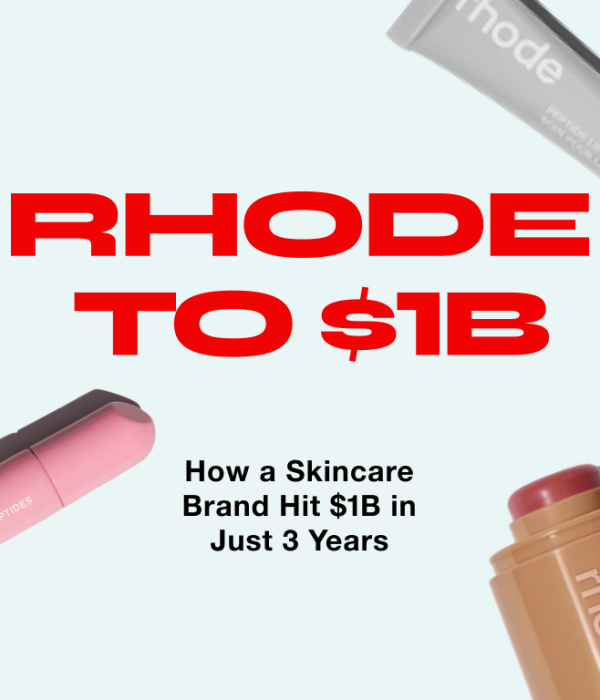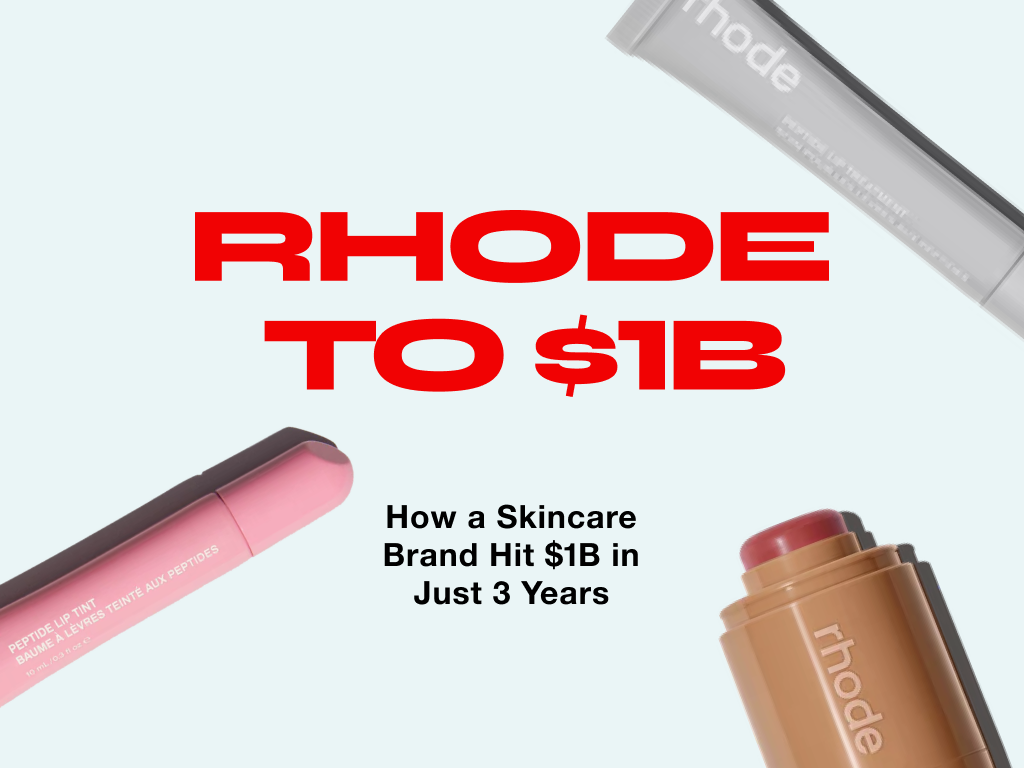
When news broke that Rhode, the skincare brand founded by Hailey Bieber, was being acquired by e.l.f. Beauty for a jaw-dropping $1 billion, I just sat there for a moment, stunned. Not because I didn’t think it could happen, but because it happened so fast. Three years. That’s all it took for Rhode to go from “just another celeb brand” to one of the most talked-about beauty companies in the world.
As someone who lives and breathes branding, I couldn’t help but dig deeper. What made Rhode the brand? How did it go from zero to cult status – and a billion-dollar valuation – while so many other celebrity brands fizzle out?
Here’s what I uncovered. And let’s just say… I became a fan by the end of it.
1. Strategic Simplicity: Minimal Products, Maximum Obsession

When Rhode launched in 2022, it introduced just three products. No overwhelming 10-step skincare routines. No clutter. Just three curated essentials, including what would become the hero product: the Peptide Glazing Fluid.
That decision? Genius.
I remember thinking, “this is such a smart move.” In a market flooded with options, Rhode offered clarity. You weren’t guessing what to buy. You were essentially told: just get all three. It was focused, intentional, and honestly… refreshing.
Having such a minimal lineup made the brand instantly recognizable. It also made content creators’ lives easier, every GRWM video could feature the whole line, without needing a full shelf of products.
2. FOMO and the Power of Drop Culture
Another thing that stood out? Rhode didn’t just sell products. It sold moments. From the beginning, products sold out. Waitlists stretched for weeks. I’d see TikToks of people literally celebrating when they finally got their lip treatment restock alert.
And that wasn’t an accident.
This is classic drop culture – the same tactic that drives hype in fashion, and it worked beautifully. But the key difference? It wasn’t fake scarcity. Demand was real, and you could feel it. Every restock announcement felt like an event.
3. When Skincare Sounds Like Dessert
One of my favorite parts of Rhode’s brand strategy? The naming. It wasn’t just a lip balm. It was Salted Caramel Lip Treatment. Strawberry Glaze. It wasn’t just serum – it was Peptide Glazing Fluid.
They didn’t just borrow from beauty. They borrowed from food.

It’s remarkable how this instantly made the products feel more indulgent and satisfying. Who doesn’t want skin that looks like a glazed donut? I mean – I did. And clearly, I wasn’t alone. The phrase itself became a viral beauty ideal before the product even launched.
That kind of emotional branding is so underrated. It made me want to taste the product, not just use it.
4. UGC Done Right: Letting the Fans Speak
Rhode didn’t scream for attention. It invited it.
Hailey posted chill, lo-fi routines. Fans did unboxings and ASMR product texture videos. And Rhode reposted, amplified, and responded to them.

There was no hard sell. The brand let its community market the product – and it worked. I saw video after video of people using Rhode as if it were second nature. And honestly, that social proof hit differently. It felt real. It felt honest. And most of all, it made me trust the brand more.
5. Visual Identity That Became a Vibe
Everything about Rhode’s aesthetic felt intentional. From the muted color palette to the product packaging to their website design, everything whispered quiet luxury.
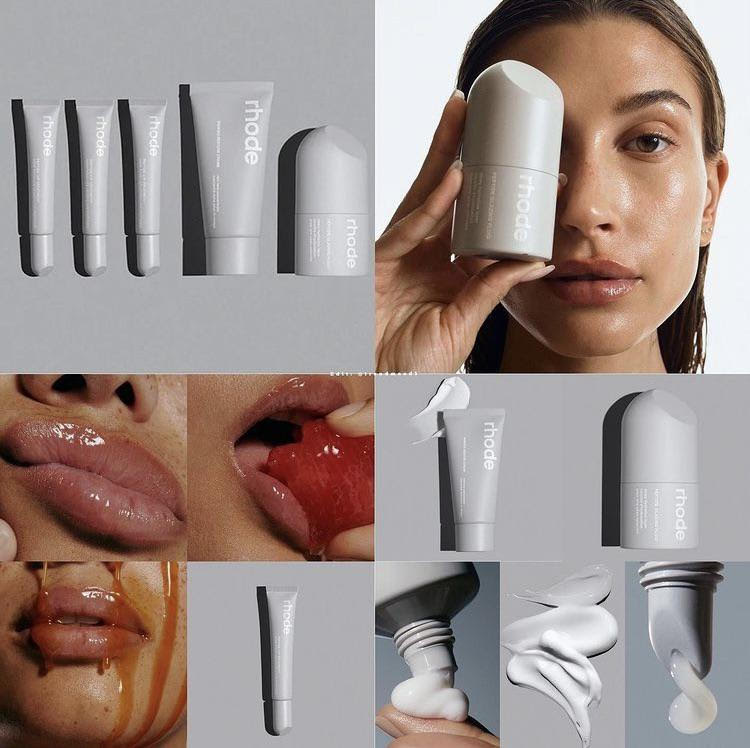
No loud colors. No chaos. Just clean, calming visuals that aligned with the “clean girl” aesthetic that was already dominating TikTok and Pinterest.
As a designer who specializes in bold, loud, and colorful branding, I found this particularly interesting. Rhode’s identity is the opposite of what I usually create – but that’s what makes it work so well for them.
It’s a brand that understands its audience wants subtle sophistication. Minimalist skincare. Effortless beauty. It’s not meant to shout – it’s meant to feel soft, curated, and premium.
That said, loud and colorful branding is thriving too. We’re seeing more brands leaning into maximalism, saturated color palettes, and personality-packed visuals—especially as Gen Z gravitates toward brands that feel expressive, fun, and fearless.
Why this matters: Rhode’s muted look works because it fits the emotional tone of its promise – calm, glowy, clean. But loud branding isn’t going anywhere. In fact, it’s shaping the next wave of bold, identity-driven brands that aren’t afraid to stand out.
Branding Lesson: Know your brand’s personality. What matters is choosing a visual identity that aligns with the feeling you want to convey.
6. Hailey Bieber: The Living Moodboard
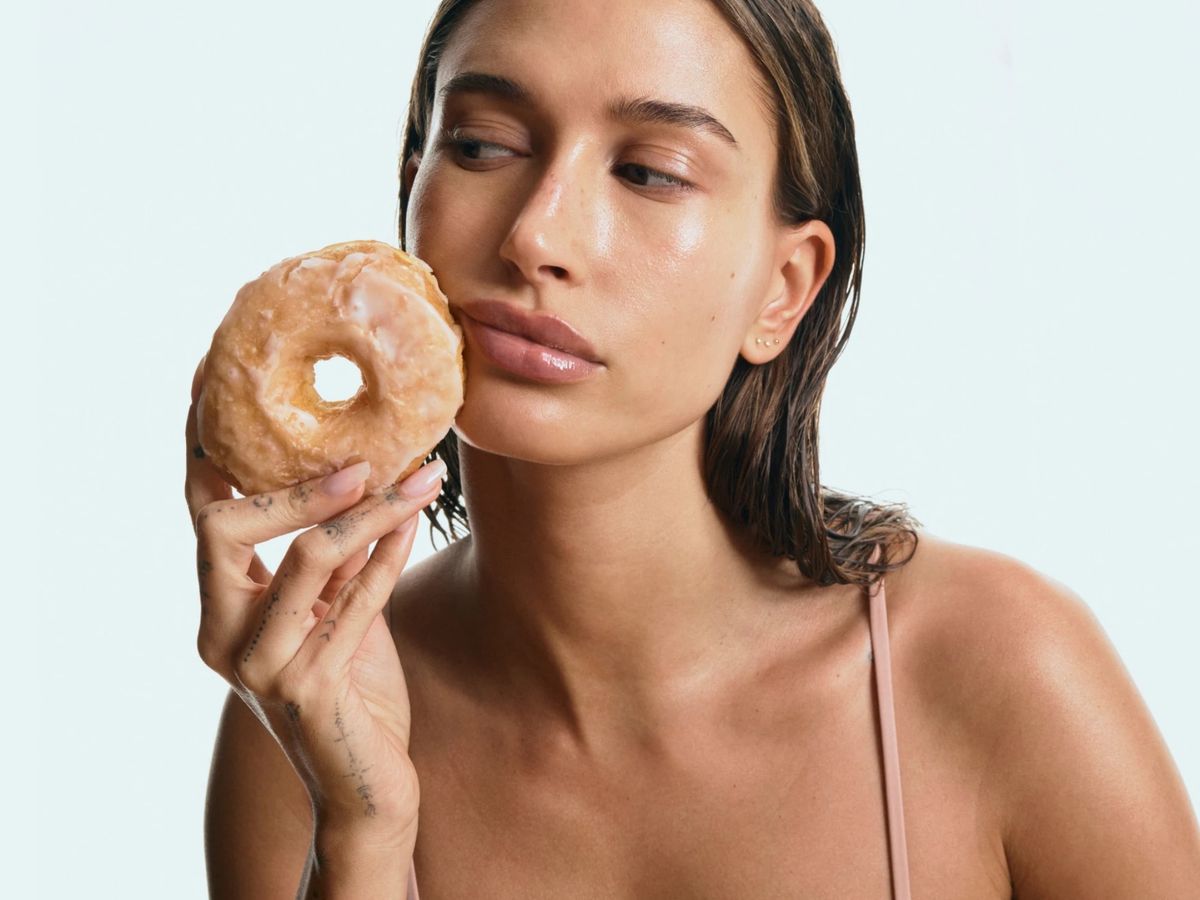
Now, I know what you’re thinking: “But it’s Hailey Bieber. Of course it worked.” And yeah, celebrity definitely helps. But what impressed me was how she used her platform strategically.
She didn’t just slap her name on a label. She became the brand.
Before Rhode even launched, she was already talking about “glazed donut skin” and giving sneak peeks of her skincare routines. Her fans had already associated her with the ultra-glowy, minimalist beauty look. So when Rhode dropped, it felt like the natural next step.
It wasn’t just a brand launch, it was a lifestyle extension. And that made all the difference.
7. Quiet Branding, Loud Demand
One of the most fascinating things? Rhode doesn’t feel aggressive. The tone of voice is soft. The packaging is subtle. The marketing is… chill.
But the buzz is LOUD. Restocks, sellouts, TikTok virality – it’s everywhere. That contrast—quiet branding with loud demand — is something I find incredibly inspiring. It proves you don’t need to scream to be heard. You just need to resonate.
So… Did I End Up Trying Rhode?
Yep. This entire case study started as a branding curiosity. But as I followed the story, the strategy, the vibes… I gave in.
I added to cart. And now? I’m using Rhode.
Not because it’s trendy. Not even because of Hailey. But because this brand, this story, was so well-crafted, I couldn’t resist experiencing it myself. That’s branding at its best.
What You Can Learn as a Creative, Brand Founder, or Designer?
Whether you’re running a studio, launching a brand, or building your own product:
Branding takeaways from Rhode:
- Be memorable with less. Focused offerings go further.
- Sell a lifestyle, not just a product.
- Build hype before launch.
- Use FOMO with care.
- Let your community do the marketing.
- Use food language for craveability.
- Make the founder the muse (if it fits).
Rhode is proof that:
- You don’t need more products – you need the right ones.
- FOMO works when it’s rooted in real demand.
- Branding is more than logos. It’s the vibe, the experience, the lifestyle.
- Naming matters. Visuals matter. Timing matters.
- A strong personal brand can launch a product like a rocket.
Whether you’re building a personal brand, launching a product, or crafting client strategy, Rhode is a glowing example of branding done right.
If you love brand deep-dives like this, I share more behind-the-scenes strategy, psychology, and cultural marketing insights in my weekly Designer Journal. Want in? Sign up to our newsletter.